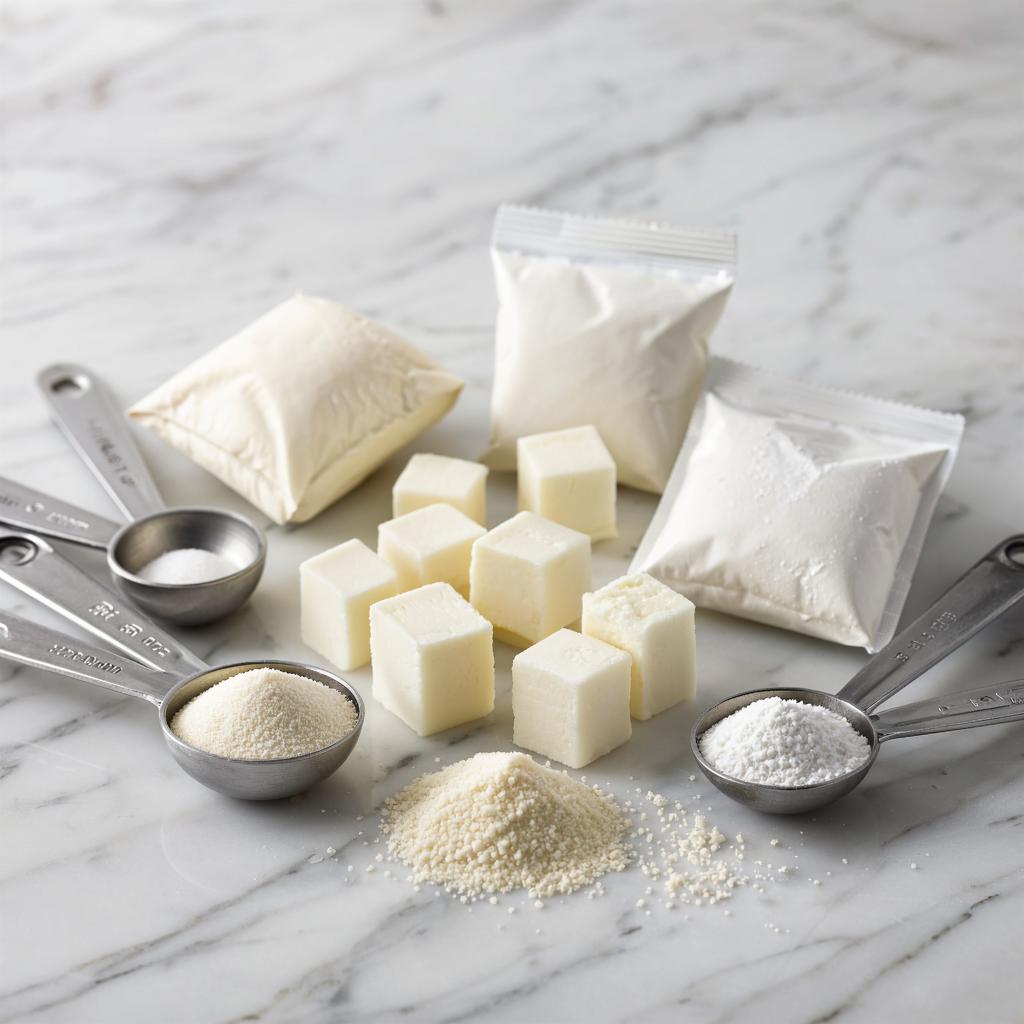
Sugar is one of the most important ingredients in baking, but measuring it accurately can be tricky. Different types of sugar have different weights and volumes, and using the wrong amount can dramatically affect your results. This comprehensive guide will help you master sugar measurements for all your baking needs.
Understanding Sugar Density
The key to accurate sugar measurement is understanding that different types of sugar have vastly different densities:
≠
Brown (packed)
1 cup = 220g
≠
Complete Sugar Conversion Table
Here's your essential reference for converting between cups and grams for different types of sugar:
| Sugar Type |
1 Cup |
3/4 Cup |
1/2 Cup |
1/3 Cup |
1/4 Cup |
1 Tbsp |
| Granulated |
200g |
150g |
100g |
65g |
50g |
12.5g |
| Brown (packed) |
220g |
165g |
110g |
73g |
55g |
13.8g |
| Brown (unpacked) |
145g |
110g |
73g |
48g |
36g |
9g |
| Powdered/Confectioners' |
120g |
90g |
60g |
40g |
30g |
7.5g |
| Caster/Superfine |
225g |
170g |
115g |
75g |
56g |
14g |
How to Measure Different Types of Sugar
Granulated Sugar
- Scoop and level: Use a spoon to fill the measuring cup, then level with a knife
- Don't pack: Unlike brown sugar, granulated sugar should not be compressed
- Best for: General baking, coffee, tea
Brown Sugar
- Pack firmly: Press down with the back of a spoon until level
- Should hold shape: When turned out, it should retain the cup shape
- Light vs. dark: Both measure the same when packed
- Storage tip: Keep in airtight container to prevent hardening
⚠️ Common Mistake
Never substitute brown sugar by weight without adjusting for moisture content. Brown sugar contains molasses, which adds moisture to your recipe!
Powdered Sugar (Confectioners' Sugar)
- Sift first: Always sift to remove lumps before measuring
- Spoon and level: Don't pack or tap the cup
- Very light: 1 cup weighs only 120g compared to 200g for granulated
- Contains cornstarch: About 3% to prevent clumping
"In professional baking, we always weigh our sugar. But understanding cup measurements is crucial for home bakers working with family recipes."
Specialty Sugars
Beyond the common types, here are measurements for specialty sugars:
| Sugar Type |
1 Cup Weight |
Notes |
| Turbinado/Raw |
200-210g |
Similar to granulated but coarser |
| Demerara |
200-220g |
Large crystals, don't pack |
| Muscovado |
200-240g |
Very moist, pack like brown sugar |
| Coconut Sugar |
150-180g |
Fine grain, measures like brown |
| Palm Sugar |
200g |
If granulated; blocks vary |
Sugar Substitutions and Conversions
When substituting different sugars, remember these key points:
Granulated to Brown Sugar
- Use same volume (1:1 ratio by cups)
- Add 1 tablespoon molasses per cup for flavor
- Increase liquid slightly in recipe
Granulated to Powdered Sugar
- Never substitute in recipes requiring creaming
- 1 cup granulated = 1¾ cups powdered (by volume)
- Powdered dissolves instantly, granulated needs moisture
💡 Pro Tip
Make your own powdered sugar: Blend 1 cup granulated sugar + 1 tablespoon cornstarch until fine. Perfect for emergencies!
Need Quick Sugar Conversions?
Use our precision converter for instant sugar measurement conversions between any units!
Try Our Converter →
Measuring Tips for Perfect Results
- Use correct measuring cups: Dry measuring cups for sugar, not liquid cups
- Level accurately: Use a straight edge, not a rounded knife
- Room temperature: Cold sugar can measure differently
- Check your recipe origin: UK/Australian cups differ from US cups
- Invest in a scale: Weight is always more accurate than volume
Common Baking Ratios
Understanding these basic ratios helps with recipe creation:
- Simple syrup: 1:1 sugar to water by volume
- Caramel: 100% sugar, no added liquid
- Royal icing: 3-4 cups powdered sugar to 1 egg white
- Buttercream: 2 cups powdered sugar to ½ cup butter
Storage and Handling
Proper storage ensures accurate measurements:
- Granulated: Indefinite shelf life in airtight container
- Brown: Add marshmallow or bread slice to keep soft
- Powdered: Keep very dry to prevent clumping
- All types: Store away from moisture and strong odors
Conclusion
Mastering sugar measurements is essential for baking success. Whether you're working with granulated, brown, or powdered sugar, understanding their different weights and proper measuring techniques will ensure consistent results every time. Remember: when precision matters most, always weigh your ingredients. Happy baking!
Сахар - один из самых важных ингредиентов в выпечке, но точное его измерение может быть сложным. Разные типы сахара имеют разный вес и объем, и использование неправильного количества может значительно повлиять на ваши результаты. Это подробное руководство поможет вам освоить измерения сахара для всех ваших потребностей в выпечке.
Понимание плотности сахара
Ключ к точному измерению сахара - понимание того, что разные типы сахара имеют очень разную плотность:
≠
Коричневый (плотно)
1 стакан = 220г
≠
Полная таблица конвертации сахара
Вот ваш необходимый справочник для конвертации между стаканами и граммами для разных типов сахара:
| Тип сахара |
1 стакан |
3/4 стакана |
1/2 стакана |
1/3 стакана |
1/4 стакана |
1 ст.л. |
| Песок |
200г |
150г |
100г |
65г |
50г |
12,5г |
| Коричневый (плотно) |
220г |
165г |
110г |
73г |
55г |
13,8г |
| Коричневый (рыхло) |
145г |
110г |
73г |
48г |
36г |
9г |
| Сахарная пудра |
120г |
90г |
60г |
40г |
30г |
7,5г |
| Мелкий песок |
225г |
170г |
115г |
75г |
56г |
14г |
Как измерять разные типы сахара
Сахарный песок
- Зачерпните и выровняйте: Используйте ложку для наполнения мерного стакана, затем выровняйте ножом
- Не утрамбовывайте: В отличие от коричневого сахара, песок не должен быть сжат
- Лучше всего для: Общая выпечка, кофе, чай
Коричневый сахар
- Плотно утрамбуйте: Придавите обратной стороной ложки до выравнивания
- Должен держать форму: При переворачивании должен сохранять форму стакана
- Светлый vs. темный: Оба измеряются одинаково при утрамбовке
- Совет по хранению: Храните в герметичном контейнере для предотвращения затвердевания
⚠️ Распространенная ошибка
Никогда не заменяйте коричневый сахар по весу без корректировки содержания влаги. Коричневый сахар содержит патоку, которая добавляет влагу в ваш рецепт!
Сахарная пудра
- Сначала просейте: Всегда просеивайте для удаления комков перед измерением
- Ложкой и выровняйте: Не утрамбовывайте и не стучите по стакану
- Очень легкая: 1 стакан весит всего 120г по сравнению с 200г для песка
- Содержит крахмал: Около 3% для предотвращения комкования
"В профессиональной выпечке мы всегда взвешиваем наш сахар. Но понимание измерений в стаканах крайне важно для домашних пекарей, работающих с семейными рецептами."
Специальные виды сахара
Помимо обычных типов, вот измерения для специальных видов сахара:
| Тип сахара |
Вес 1 стакана |
Примечания |
| Турбинадо/Сырой |
200-210г |
Похож на песок, но крупнее |
| Демерара |
200-220г |
Крупные кристаллы, не утрамбовывайте |
| Мусковадо |
200-240г |
Очень влажный, утрамбовывайте как коричневый |
| Кокосовый сахар |
150-180г |
Мелкое зерно, измеряется как коричневый |
| Пальмовый сахар |
200г |
Если гранулированный; блоки варьируются |
Замены сахара и конвертации
При замене разных видов сахара помните эти ключевые моменты:
Песок на коричневый сахар
- Используйте тот же объем (соотношение 1:1 по стаканам)
- Добавьте 1 столовую ложку патоки на стакан для вкуса
- Немного увеличьте жидкость в рецепте
Песок на сахарную пудру
- Никогда не заменяйте в рецептах, требующих взбивания
- 1 стакан песка = 1¾ стакана пудры (по объему)
- Пудра растворяется мгновенно, песок требует влаги
💡 Совет профессионала
Сделайте свою сахарную пудру: Смешайте 1 стакан сахарного песка + 1 столовую ложку кукурузного крахмала до мелкого состояния. Идеально для экстренных случаев!
Нужны быстрые конвертации сахара?
Используйте наш точный конвертер для мгновенной конвертации измерений сахара между любыми единицами!
Попробовать конвертер →
Советы по измерению для идеальных результатов
- Используйте правильные мерные стаканы: Сухие мерные стаканы для сахара, не жидкостные
- Выравнивайте точно: Используйте прямой край, не закругленный нож
- Комнатная температура: Холодный сахар может измеряться по-разному
- Проверьте происхождение рецепта: Британские/австралийские стаканы отличаются от американских
- Инвестируйте в весы: Вес всегда точнее объема
Распространенные пропорции в выпечке
Понимание этих базовых соотношений помогает при создании рецептов:
- Простой сироп: 1:1 сахар к воде по объему
- Карамель: 100% сахар, без добавления жидкости
- Королевская глазурь: 3-4 стакана сахарной пудры на 1 яичный белок
- Масляный крем: 2 стакана сахарной пудры на ½ стакана масла
Хранение и обращение
Правильное хранение обеспечивает точные измерения:
- Песок: Неограниченный срок хранения в герметичном контейнере
- Коричневый: Добавьте зефир или кусочек хлеба для сохранения мягкости
- Пудра: Держите очень сухой для предотвращения комкования
- Все типы: Храните вдали от влаги и сильных запахов
Заключение
Освоение измерений сахара необходимо для успеха в выпечке. Работаете ли вы с сахарным песком, коричневым или сахарной пудрой, понимание их разного веса и правильных методов измерения обеспечит стабильные результаты каждый раз. Помните: когда точность важна больше всего, всегда взвешивайте ваши ингредиенты. Счастливой выпечки!
Zucker ist eine der wichtigsten Zutaten beim Backen, aber ihn genau zu messen kann knifflig sein. Verschiedene Zuckerarten haben unterschiedliche Gewichte und Volumen, und die Verwendung der falschen Menge kann Ihre Ergebnisse dramatisch beeinflussen. Dieser umfassende Leitfaden hilft Ihnen, Zuckermessungen für all Ihre Backbedürfnisse zu meistern.
Die Dichte von Zucker verstehen
Der Schlüssel zur genauen Zuckermessung ist das Verständnis, dass verschiedene Zuckerarten sehr unterschiedliche Dichten haben:
Kristallzucker
1 Tasse = 200g
≠
Brauner (gepackt)
1 Tasse = 220g
≠
Puderzucker
1 Tasse = 120g
Vollständige Zucker-Umrechnungstabelle
Hier ist Ihre wichtige Referenz für die Umrechnung zwischen Tassen und Gramm für verschiedene Zuckerarten:
| Zuckerart |
1 Tasse |
3/4 Tasse |
1/2 Tasse |
1/3 Tasse |
1/4 Tasse |
1 EL |
| Kristallzucker |
200g |
150g |
100g |
65g |
50g |
12,5g |
| Brauner (gepackt) |
220g |
165g |
110g |
73g |
55g |
13,8g |
| Brauner (ungepackt) |
145g |
110g |
73g |
48g |
36g |
9g |
| Puderzucker |
120g |
90g |
60g |
40g |
30g |
7,5g |
| Feiner Zucker |
225g |
170g |
115g |
75g |
56g |
14g |
Wie man verschiedene Zuckerarten misst
Kristallzucker
- Schöpfen und glätten: Verwenden Sie einen Löffel zum Füllen des Messbechers, dann mit einem Messer glätten
- Nicht packen: Im Gegensatz zu braunem Zucker sollte Kristallzucker nicht komprimiert werden
- Am besten für: Allgemeines Backen, Kaffee, Tee
Brauner Zucker
- Fest packen: Mit der Rückseite eines Löffels andrücken bis eben
- Sollte Form halten: Beim Herausdrehen sollte er die Tassenform behalten
- Hell vs. dunkel: Beide werden gleich gemessen wenn gepackt
- Aufbewahrungstipp: In luftdichtem Behälter aufbewahren um Verhärtung zu verhindern
⚠️ Häufiger Fehler
Ersetzen Sie niemals braunen Zucker nach Gewicht ohne Anpassung des Feuchtigkeitsgehalts. Brauner Zucker enthält Melasse, die Ihrem Rezept Feuchtigkeit hinzufügt!
Puderzucker
- Zuerst sieben: Immer sieben um Klumpen vor dem Messen zu entfernen
- Löffeln und glätten: Nicht packen oder auf die Tasse klopfen
- Sehr leicht: 1 Tasse wiegt nur 120g im Vergleich zu 200g für Kristallzucker
- Enthält Maisstärke: Etwa 3% um Verklumpen zu verhindern
"Beim professionellen Backen wiegen wir immer unseren Zucker. Aber das Verständnis von Tassenmessungen ist entscheidend für Hobbybäcker, die mit Familienrezepten arbeiten."
Spezialzucker
Neben den gängigen Arten hier die Maße für Spezialzucker:
| Zuckerart |
1 Tasse Gewicht |
Anmerkungen |
| Turbinado/Rohzucker |
200-210g |
Ähnlich wie Kristallzucker aber gröber |
| Demerara |
200-220g |
Große Kristalle, nicht packen |
| Muscovado |
200-240g |
Sehr feucht, wie braunen Zucker packen |
| Kokoszucker |
150-180g |
Feine Körnung, misst wie brauner |
| Palmzucker |
200g |
Wenn granuliert; Blöcke variieren |
Zuckersubstitutionen und Umrechnungen
Bei der Substitution verschiedener Zucker beachten Sie diese wichtigen Punkte:
Kristallzucker zu braunem Zucker
- Gleiches Volumen verwenden (1:1 Verhältnis nach Tassen)
- 1 Esslöffel Melasse pro Tasse für Geschmack hinzufügen
- Flüssigkeit im Rezept leicht erhöhen
Kristallzucker zu Puderzucker
- Niemals in Rezepten ersetzen, die Aufschlagen erfordern
- 1 Tasse Kristallzucker = 1¾ Tassen Puderzucker (nach Volumen)
- Puderzucker löst sich sofort auf, Kristallzucker benötigt Feuchtigkeit
💡 Profi-Tipp
Machen Sie Ihren eigenen Puderzucker: 1 Tasse Kristallzucker + 1 Esslöffel Maisstärke fein mixen. Perfekt für Notfälle!
Brauchen Sie schnelle Zucker-Umrechnungen?
Verwenden Sie unseren Präzisionskonverter für sofortige Zuckermessungsumrechnungen zwischen beliebigen Einheiten!
Konverter ausprobieren →
Messtipps für perfekte Ergebnisse
- Verwenden Sie die richtigen Messbecher: Trockene Messbecher für Zucker, nicht flüssige
- Genau glätten: Verwenden Sie eine gerade Kante, kein abgerundetes Messer
- Raumtemperatur: Kalter Zucker kann sich anders messen
- Überprüfen Sie die Rezeptherkunft: UK/australische Tassen unterscheiden sich von US-Tassen
- Investieren Sie in eine Waage: Gewicht ist immer genauer als Volumen
Gängige Backverhältnisse
Das Verständnis dieser Grundverhältnisse hilft bei der Rezepterstellung:
- Einfacher Sirup: 1:1 Zucker zu Wasser nach Volumen
- Karamell: 100% Zucker, keine zusätzliche Flüssigkeit
- Königliche Glasur: 3-4 Tassen Puderzucker auf 1 Eiweiß
- Buttercreme: 2 Tassen Puderzucker auf ½ Tasse Butter
Lagerung und Handhabung
Richtige Lagerung gewährleistet genaue Messungen:
- Kristallzucker: Unbegrenzte Haltbarkeit im luftdichten Behälter
- Brauner: Marshmallow oder Brotstück hinzufügen um weich zu halten
- Puderzucker: Sehr trocken halten um Verklumpen zu verhindern
- Alle Arten: Von Feuchtigkeit und starken Gerüchen fernhalten
Fazit
Die Beherrschung von Zuckermessungen ist entscheidend für den Backerfolg. Ob Sie mit Kristallzucker, braunem oder Puderzucker arbeiten, das Verständnis ihrer unterschiedlichen Gewichte und richtigen Messtechniken wird jedes Mal konsistente Ergebnisse gewährleisten. Denken Sie daran: Wenn Präzision am wichtigsten ist, wiegen Sie immer Ihre Zutaten. Frohes Backen!
El azúcar es uno de los ingredientes más importantes en la repostería, pero medirlo con precisión puede ser complicado. Diferentes tipos de azúcar tienen diferentes pesos y volúmenes, y usar la cantidad incorrecta puede afectar dramáticamente tus resultados. Esta guía completa te ayudará a dominar las medidas de azúcar para todas tus necesidades de horneado.
Entendiendo la densidad del azúcar
La clave para medir el azúcar con precisión es entender que diferentes tipos de azúcar tienen densidades muy diferentes:
≠
Morena (compacta)
1 taza = 220g
≠
Tabla completa de conversión de azúcar
Aquí está tu referencia esencial para convertir entre tazas y gramos para diferentes tipos de azúcar:
| Tipo de azúcar |
1 taza |
3/4 taza |
1/2 taza |
1/3 taza |
1/4 taza |
1 cda |
| Granulada |
200g |
150g |
100g |
65g |
50g |
12,5g |
| Morena (compacta) |
220g |
165g |
110g |
73g |
55g |
13,8g |
| Morena (suelta) |
145g |
110g |
73g |
48g |
36g |
9g |
| Azúcar glas |
120g |
90g |
60g |
40g |
30g |
7,5g |
| Azúcar superfino |
225g |
170g |
115g |
75g |
56g |
14g |
Cómo medir diferentes tipos de azúcar
Azúcar granulada
- Recoger y nivelar: Usa una cuchara para llenar la taza medidora, luego nivela con un cuchillo
- No compactar: A diferencia del azúcar morena, la granulada no debe comprimirse
- Mejor para: Horneado general, café, té
Azúcar morena
- Compactar firmemente: Presiona con la parte posterior de una cuchara hasta nivelar
- Debe mantener la forma: Al voltearla, debe conservar la forma de la taza
- Clara vs. oscura: Ambas se miden igual cuando están compactadas
- Consejo de almacenamiento: Guarda en recipiente hermético para evitar que se endurezca
⚠️ Error común
Nunca sustituyas azúcar morena por peso sin ajustar el contenido de humedad. ¡El azúcar morena contiene melaza, que agrega humedad a tu receta!
Azúcar en polvo (glas)
- Tamizar primero: Siempre tamiza para eliminar grumos antes de medir
- Con cuchara y nivelar: No compactes ni golpees la taza
- Muy ligera: 1 taza pesa solo 120g comparado con 200g de la granulada
- Contiene almidón: Alrededor del 3% para prevenir grumos
"En la repostería profesional, siempre pesamos nuestro azúcar. Pero entender las medidas en tazas es crucial para los reposteros caseros que trabajan con recetas familiares."
Azúcares especiales
Más allá de los tipos comunes, aquí están las medidas para azúcares especiales:
| Tipo de azúcar |
Peso de 1 taza |
Notas |
| Turbinado/Crudo |
200-210g |
Similar al granulado pero más grueso |
| Demerara |
200-220g |
Cristales grandes, no compactar |
| Mascabado |
200-240g |
Muy húmedo, compactar como morena |
| Azúcar de coco |
150-180g |
Grano fino, se mide como morena |
| Azúcar de palma |
200g |
Si es granulado; los bloques varían |
Sustituciones y conversiones de azúcar
Al sustituir diferentes azúcares, recuerda estos puntos clave:
Granulada a azúcar morena
- Usa el mismo volumen (proporción 1:1 por tazas)
- Agrega 1 cucharada de melaza por taza para el sabor
- Aumenta ligeramente el líquido en la receta
Granulada a azúcar en polvo
- Nunca sustituyas en recetas que requieren cremado
- 1 taza granulada = 1¾ tazas en polvo (por volumen)
- El polvo se disuelve instantáneamente, la granulada necesita humedad
💡 Consejo profesional
Haz tu propio azúcar en polvo: Mezcla 1 taza de azúcar granulada + 1 cucharada de maicena hasta que esté fino. ¡Perfecto para emergencias!
¿Necesitas conversiones rápidas de azúcar?
¡Usa nuestro convertidor de precisión para conversiones instantáneas de medidas de azúcar entre cualquier unidad!
Probar nuestro convertidor →
Consejos de medición para resultados perfectos
- Usa las tazas medidoras correctas: Tazas secas para azúcar, no líquidas
- Nivela con precisión: Usa un borde recto, no un cuchillo redondeado
- Temperatura ambiente: El azúcar fría puede medirse diferente
- Verifica el origen de la receta: Las tazas británicas/australianas difieren de las estadounidenses
- Invierte en una balanza: El peso siempre es más preciso que el volumen
Proporciones comunes para hornear
Entender estas proporciones básicas ayuda con la creación de recetas:
- Jarabe simple: 1:1 azúcar a agua por volumen
- Caramelo: 100% azúcar, sin líquido agregado
- Glaseado real: 3-4 tazas de azúcar en polvo por 1 clara de huevo
- Crema de mantequilla: 2 tazas de azúcar en polvo por ½ taza de mantequilla
Almacenamiento y manejo
El almacenamiento adecuado asegura mediciones precisas:
- Granulada: Vida útil indefinida en recipiente hermético
- Morena: Agrega malvavisco o trozo de pan para mantener suave
- En polvo: Mantener muy seca para prevenir grumos
- Todos los tipos: Almacenar lejos de la humedad y olores fuertes
Conclusión
Dominar las medidas de azúcar es esencial para el éxito en la repostería. Ya sea que trabajes con azúcar granulada, morena o en polvo, entender sus diferentes pesos y técnicas de medición adecuadas garantizará resultados consistentes cada vez. Recuerda: cuando la precisión importa más, siempre pesa tus ingredientes. ¡Feliz horneado!