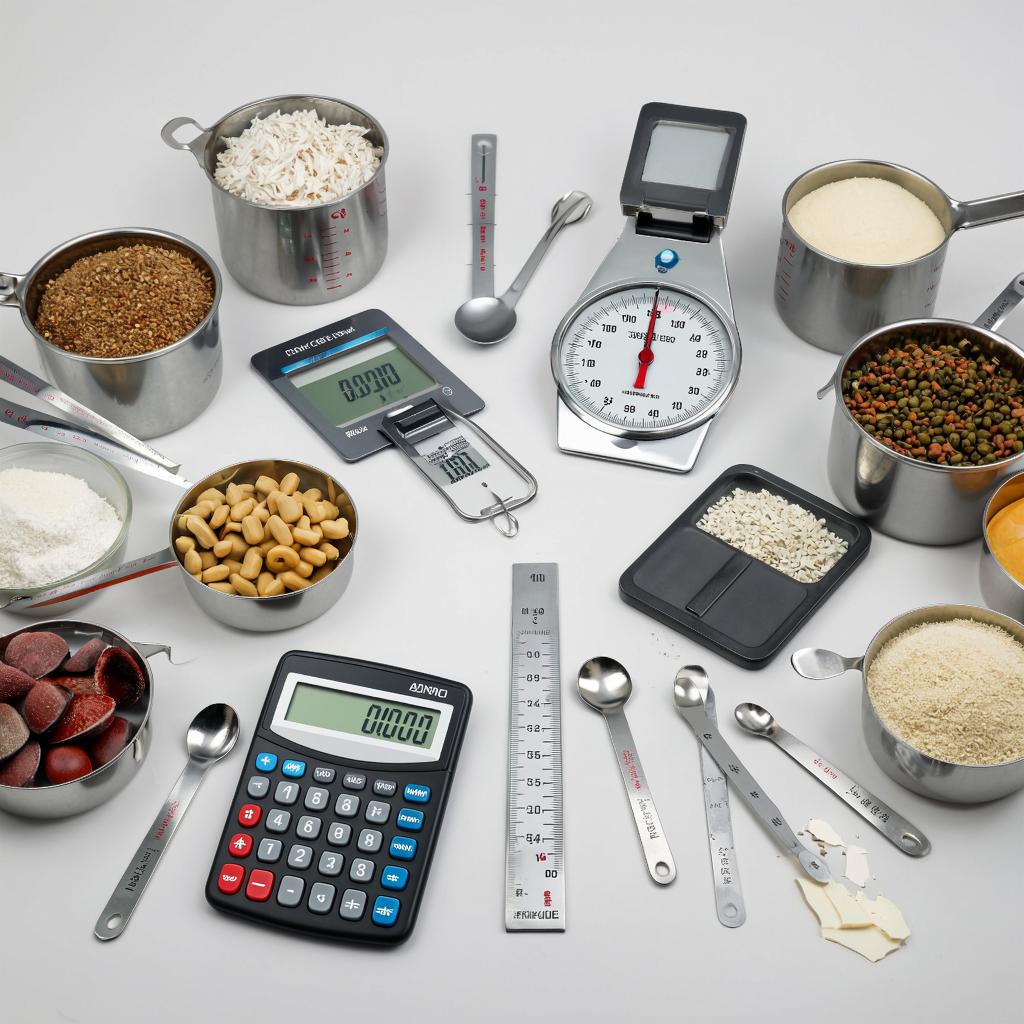
Whether you're an American trying to follow a British recipe or a European tackling Southern comfort food, understanding both metric and imperial measurements is essential for cooking success. This comprehensive guide will help you navigate between these two systems with confidence.
Understanding the Two Systems
The world is divided between two major measurement systems. The metric system, used by most of the world, is based on units of 10. The imperial system, primarily used in the United States, has its roots in ancient Roman and Anglo-Saxon units.
Quick System Overview
🌍 Metric System
Used by 95% of the world
Base 10 system
Grams, liters, Celsius
🇺🇸 Imperial System
USA, Liberia, Myanmar
Historical units
Ounces, cups, Fahrenheit
Common Kitchen Conversions
Here are the most important conversions every international cook should know:
Volume Measurements
| Metric |
Imperial (US) |
Imperial (UK) |
Notes |
| 250 ml |
1 cup + 1 tbsp |
8.8 fl oz |
Standard metric cup |
| 240 ml |
1 cup |
8.45 fl oz |
US standard cup |
| 15 ml |
1 tablespoon |
0.5 fl oz |
Same in US/UK |
| 5 ml |
1 teaspoon |
0.17 fl oz |
Same in US/UK |
| 1 liter |
4.23 cups |
1.76 pints |
1000 ml |
Weight Measurements
| Metric |
Imperial |
Common Use |
| 1 kg |
2.2 pounds |
Large roasts, whole chickens |
| 500 g |
1.1 pounds |
Ground meat packages |
| 450 g |
1 pound |
Common conversion |
| 250 g |
8.8 oz |
Butter blocks (Europe) |
| 28 g |
1 ounce |
Cheese, chocolate |
Temperature Conversions
Temperature is crucial in cooking and baking. Here's how to convert between Celsius and Fahrenheit:
Celsius to Fahrenheit: (°C × 9/5) + 32 = °F
Fahrenheit to Celsius: (°F - 32) × 5/9 = °C
Common Cooking Temperatures
- 350°F = 175°C - Standard baking temperature
- 375°F = 190°C - Moderate oven
- 400°F = 200°C - Hot oven
- 425°F = 220°C - Very hot oven
- 212°F = 100°C - Water boiling point
- 32°F = 0°C - Water freezing point
Regional Differences to Watch For
Even within the imperial system, there are important differences:
US vs UK Measurements
- Pint: US = 473 ml, UK = 568 ml
- Fluid ounce: US = 29.6 ml, UK = 28.4 ml
- Cup: US standard, rarely used in UK
- Tablespoon: Australia = 20 ml (4 tsp), elsewhere = 15 ml (3 tsp)
Need Quick Conversions?
Our converter tool handles all these regional differences automatically!
Try Our Converter →
Pro Tips for International Cooking
- Invest in dual-marked tools: Many measuring cups and spoons show both metric and imperial
- Use weight for accuracy: When precision matters, weight beats volume every time
- Keep a conversion chart handy: Print one for your kitchen wall
- Learn key conversions: Memorize the ones you use most often
- Check the recipe source: British, American, and Australian recipes may use different standards
Common Ingredient Conversions
Different ingredients have different densities, making volume-to-weight conversions tricky:
| Ingredient |
1 Cup (US) |
Metric Weight |
| All-purpose flour |
4.4 oz |
125 g |
| Granulated sugar |
7 oz |
200 g |
| Brown sugar (packed) |
7.5 oz |
213 g |
| Butter |
8 oz |
227 g |
| Liquid (water, milk) |
8 fl oz |
240 ml |
Conclusion
Mastering both metric and imperial measurements opens up a world of international recipes. While it may seem daunting at first, with practice and the right tools, you'll be converting measurements like a pro. Remember, when in doubt, use a kitchen scale for the most accurate results!
Независимо от того, являетесь ли вы американцем, пытающимся следовать британскому рецепту, или европейцем, осваивающим южную комфортную еду, понимание как метрических, так и имперских измерений необходимо для успеха в кулинарии. Это подробное руководство поможет вам уверенно ориентироваться между этими двумя системами.
Понимание двух систем
Мир разделен между двумя основными системами измерения. Метрическая система, используемая большей частью мира, основана на единицах 10. Имперская система, в основном используемая в Соединенных Штатах, имеет свои корни в древнеримских и англосаксонских единицах.
Краткий обзор систем
🌍 Метрическая система
Используется 95% мира
Система с основанием 10
Граммы, литры, Цельсий
🇺🇸 Имперская система
США, Либерия, Мьянма
Исторические единицы
Унции, чашки, Фаренгейт
Основные кухонные конвертации
Вот самые важные конвертации, которые должен знать каждый международный повар:
Измерения объема
| Метрическая |
Имперская (США) |
Имперская (Великобритания) |
Примечания |
| 250 мл |
1 чашка + 1 ст.л. |
8.8 жидк. унций |
Стандартная метрическая чашка |
| 240 мл |
1 чашка |
8.45 жидк. унций |
Стандартная чашка США |
| 15 мл |
1 столовая ложка |
0.5 жидк. унций |
Одинаково в США/Великобритании |
| 5 мл |
1 чайная ложка |
0.17 жидк. унций |
Одинаково в США/Великобритании |
| 1 литр |
4.23 чашки |
1.76 пинты |
1000 мл |
Измерения веса
| Метрическая |
Имперская |
Обычное использование |
| 1 кг |
2.2 фунта |
Большие жаркое, целые цыплята |
| 500 г |
1.1 фунта |
Упаковки фарша |
| 450 г |
1 фунт |
Общая конвертация |
| 250 г |
8.8 унций |
Блоки масла (Европа) |
| 28 г |
1 унция |
Сыр, шоколад |
Конвертация температуры
Температура критически важна в готовке и выпечке. Вот как конвертировать между Цельсием и Фаренгейтом:
Цельсий в Фаренгейт: (°C × 9/5) + 32 = °F
Фаренгейт в Цельсий: (°F - 32) × 5/9 = °C
Обычные температуры приготовления
- 350°F = 175°C - Стандартная температура выпечки
- 375°F = 190°C - Умеренная духовка
- 400°F = 200°C - Горячая духовка
- 425°F = 220°C - Очень горячая духовка
- 212°F = 100°C - Точка кипения воды
- 32°F = 0°C - Точка замерзания воды
Региональные различия, на которые стоит обратить внимание
Даже в рамках имперской системы есть важные различия:
Измерения США против Великобритании
- Пинта: США = 473 мл, Великобритания = 568 мл
- Жидкая унция: США = 29.6 мл, Великобритания = 28.4 мл
- Чашка: стандарт США, редко используется в Великобритании
- Столовая ложка: Австралия = 20 мл (4 ч.л.), в других местах = 15 мл (3 ч.л.)
Нужны быстрые конвертации?
Наш инструмент конвертации автоматически обрабатывает все эти региональные различия!
Попробовать конвертер →
Профессиональные советы для международной кулинарии
- Инвестируйте в инструменты с двойной маркировкой: Многие мерные чашки и ложки показывают как метрические, так и имперские единицы
- Используйте вес для точности: Когда точность важна, вес всегда превосходит объем
- Держите таблицу конвертации под рукой: Распечатайте одну для стены вашей кухни
- Выучите ключевые конвертации: Запомните те, которые вы используете чаще всего
- Проверьте источник рецепта: Британские, американские и австралийские рецепты могут использовать разные стандарты
Распространенные конвертации ингредиентов
Разные ингредиенты имеют разную плотность, что делает конвертацию объема в вес сложной:
| Ингредиент |
1 чашка (США) |
Метрический вес |
| Универсальная мука |
4.4 унции |
125 г |
| Сахарный песок |
7 унций |
200 г |
| Коричневый сахар (утрамбованный) |
7.5 унций |
213 г |
| Масло сливочное |
8 унций |
227 г |
| Жидкость (вода, молоко) |
8 жидк. унций |
240 мл |
Заключение
Овладение как метрическими, так и имперскими измерениями открывает мир международных рецептов. Хотя поначалу это может показаться сложным, с практикой и правильными инструментами вы будете конвертировать измерения как профессионал. Помните, когда сомневаетесь, используйте кухонные весы для наиболее точных результатов!
Ob Sie ein Amerikaner sind, der versucht, ein britisches Rezept zu befolgen, oder ein Europäer, der sich an südliche Hausmannskost wagt, das Verständnis sowohl metrischer als auch imperialer Maße ist für den Kocherfolg unerlässlich. Dieser umfassende Leitfaden hilft Ihnen, selbstbewusst zwischen diesen beiden Systemen zu navigieren.
Die beiden Systeme verstehen
Die Welt ist zwischen zwei großen Messsystemen geteilt. Das metrische System, das von den meisten Ländern der Welt verwendet wird, basiert auf Einheiten von 10. Das imperiale System, das hauptsächlich in den Vereinigten Staaten verwendet wird, hat seine Wurzeln in altrömischen und angelsächsischen Einheiten.
Schneller Systemüberblick
🌍 Metrisches System
Von 95% der Welt verwendet
Basis-10-System
Gramm, Liter, Celsius
🇺🇸 Imperiales System
USA, Liberia, Myanmar
Historische Einheiten
Unzen, Tassen, Fahrenheit
Gängige Küchenumrechnungen
Hier sind die wichtigsten Umrechnungen, die jeder internationale Koch kennen sollte:
Volumenmaße
| Metrisch |
Imperial (USA) |
Imperial (UK) |
Notizen |
| 250 ml |
1 Tasse + 1 EL |
8,8 fl oz |
Standard metrische Tasse |
| 240 ml |
1 Tasse |
8,45 fl oz |
US-Standardtasse |
| 15 ml |
1 Esslöffel |
0,5 fl oz |
Gleich in USA/UK |
| 5 ml |
1 Teelöffel |
0,17 fl oz |
Gleich in USA/UK |
| 1 Liter |
4,23 Tassen |
1,76 Pints |
1000 ml |
Gewichtsmaße
| Metrisch |
Imperial |
Übliche Verwendung |
| 1 kg |
2,2 Pfund |
Große Braten, ganze Hähnchen |
| 500 g |
1,1 Pfund |
Hackfleischpackungen |
| 450 g |
1 Pfund |
Übliche Umrechnung |
| 250 g |
8,8 oz |
Butterblöcke (Europa) |
| 28 g |
1 Unze |
Käse, Schokolade |
Temperaturumrechnungen
Die Temperatur ist beim Kochen und Backen entscheidend. So rechnen Sie zwischen Celsius und Fahrenheit um:
Celsius zu Fahrenheit: (°C × 9/5) + 32 = °F
Fahrenheit zu Celsius: (°F - 32) × 5/9 = °C
Übliche Kochtemperaturen
- 350°F = 175°C - Standard-Backtemperatur
- 375°F = 190°C - Mittlerer Ofen
- 400°F = 200°C - Heißer Ofen
- 425°F = 220°C - Sehr heißer Ofen
- 212°F = 100°C - Siedepunkt von Wasser
- 32°F = 0°C - Gefrierpunkt von Wasser
Regionale Unterschiede, auf die Sie achten sollten
Selbst innerhalb des imperialen Systems gibt es wichtige Unterschiede:
USA vs. UK Maße
- Pint: USA = 473 ml, UK = 568 ml
- Flüssigunze: USA = 29,6 ml, UK = 28,4 ml
- Tasse: US-Standard, selten in UK verwendet
- Esslöffel: Australien = 20 ml (4 TL), anderswo = 15 ml (3 TL)
Brauchen Sie schnelle Umrechnungen?
Unser Konverter-Tool handhabt all diese regionalen Unterschiede automatisch!
Konverter ausprobieren →
Profi-Tipps für internationales Kochen
- Investieren Sie in doppelt markierte Werkzeuge: Viele Messbecher und Löffel zeigen sowohl metrische als auch imperiale Einheiten
- Verwenden Sie Gewicht für Genauigkeit: Wenn Präzision wichtig ist, schlägt Gewicht immer Volumen
- Halten Sie eine Umrechnungstabelle bereit: Drucken Sie eine für Ihre Küchenwand
- Lernen Sie Schlüsselumrechnungen: Merken Sie sich die, die Sie am häufigsten verwenden
- Überprüfen Sie die Rezeptquelle: Britische, amerikanische und australische Rezepte können unterschiedliche Standards verwenden
Gängige Zutat-Umrechnungen
Verschiedene Zutaten haben unterschiedliche Dichten, was Volumen-zu-Gewicht-Umrechnungen knifflig macht:
| Zutat |
1 Tasse (USA) |
Metrisches Gewicht |
| Allzweckmehl |
4,4 oz |
125 g |
| Kristallzucker |
7 oz |
200 g |
| Brauner Zucker (gepackt) |
7,5 oz |
213 g |
| Butter |
8 oz |
227 g |
| Flüssigkeit (Wasser, Milch) |
8 fl oz |
240 ml |
Fazit
Die Beherrschung sowohl metrischer als auch imperialer Maße eröffnet eine Welt internationaler Rezepte. Obwohl es anfangs entmutigend erscheinen mag, werden Sie mit Übung und den richtigen Werkzeugen Maße wie ein Profi umrechnen. Denken Sie daran, im Zweifelsfall eine Küchenwaage für die genauesten Ergebnisse zu verwenden!
Ya sea que seas un estadounidense tratando de seguir una receta británica o un europeo abordando la comida reconfortante del sur, comprender tanto las medidas métricas como las imperiales es esencial para el éxito en la cocina. Esta guía completa te ayudará a navegar entre estos dos sistemas con confianza.
Comprendiendo los dos sistemas
El mundo está dividido entre dos sistemas de medición principales. El sistema métrico, utilizado por la mayor parte del mundo, se basa en unidades de 10. El sistema imperial, utilizado principalmente en Estados Unidos, tiene sus raíces en unidades romanas antiguas y anglosajonas.
Resumen rápido del sistema
🌍 Sistema métrico
Usado por el 95% del mundo
Sistema base 10
Gramos, litros, Celsius
🇺🇸 Sistema imperial
EE.UU., Liberia, Myanmar
Unidades históricas
Onzas, tazas, Fahrenheit
Conversiones comunes de cocina
Aquí están las conversiones más importantes que todo cocinero internacional debe conocer:
Medidas de volumen
| Métrico |
Imperial (EE.UU.) |
Imperial (Reino Unido) |
Notas |
| 250 ml |
1 taza + 1 cda |
8.8 oz líq |
Taza métrica estándar |
| 240 ml |
1 taza |
8.45 oz líq |
Taza estándar de EE.UU. |
| 15 ml |
1 cucharada |
0.5 oz líq |
Igual en EE.UU./Reino Unido |
| 5 ml |
1 cucharadita |
0.17 oz líq |
Igual en EE.UU./Reino Unido |
| 1 litro |
4.23 tazas |
1.76 pintas |
1000 ml |
Medidas de peso
| Métrico |
Imperial |
Uso común |
| 1 kg |
2.2 libras |
Asados grandes, pollos enteros |
| 500 g |
1.1 libras |
Paquetes de carne molida |
| 450 g |
1 libra |
Conversión común |
| 250 g |
8.8 oz |
Bloques de mantequilla (Europa) |
| 28 g |
1 onza |
Queso, chocolate |
Conversiones de temperatura
La temperatura es crucial en la cocina y el horneado. Así es como convertir entre Celsius y Fahrenheit:
Celsius a Fahrenheit: (°C × 9/5) + 32 = °F
Fahrenheit a Celsius: (°F - 32) × 5/9 = °C
Temperaturas comunes de cocción
- 350°F = 175°C - Temperatura estándar de horneado
- 375°F = 190°C - Horno moderado
- 400°F = 200°C - Horno caliente
- 425°F = 220°C - Horno muy caliente
- 212°F = 100°C - Punto de ebullición del agua
- 32°F = 0°C - Punto de congelación del agua
Diferencias regionales a tener en cuenta
Incluso dentro del sistema imperial, hay diferencias importantes:
Medidas de EE.UU. vs Reino Unido
- Pinta: EE.UU. = 473 ml, Reino Unido = 568 ml
- Onza líquida: EE.UU. = 29.6 ml, Reino Unido = 28.4 ml
- Taza: Estándar de EE.UU., rara vez se usa en el Reino Unido
- Cucharada: Australia = 20 ml (4 cdtas), en otros lugares = 15 ml (3 cdtas)
¿Necesitas conversiones rápidas?
¡Nuestra herramienta de conversión maneja todas estas diferencias regionales automáticamente!
Probar nuestro convertidor →
Consejos profesionales para cocina internacional
- Invierte en herramientas con doble marcado: Muchas tazas y cucharas medidoras muestran tanto unidades métricas como imperiales
- Usa peso para precisión: Cuando la precisión importa, el peso siempre supera al volumen
- Ten una tabla de conversión a mano: Imprime una para la pared de tu cocina
- Aprende conversiones clave: Memoriza las que uses con más frecuencia
- Verifica la fuente de la receta: Las recetas británicas, americanas y australianas pueden usar diferentes estándares
Conversiones comunes de ingredientes
Diferentes ingredientes tienen diferentes densidades, lo que hace que las conversiones de volumen a peso sean complicadas:
| Ingrediente |
1 taza (EE.UU.) |
Peso métrico |